If you’ve ever wanted a hairstyle that instantly adds edge and personality, spikes hair might be exactly what you’re looking for.
This look transforms hair into pointy, upright sections that stand out instead of lying flat, creating a bold and dynamic effect.
From subtle, textured spikes to dramatic, punk-inspired styles, spikes hair comes in endless variations, letting you express your style in a way that’s entirely your own.

Table of Contents
What Spikes Hair Look Like
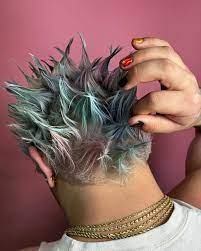
• In classic short spikes, the hair on top of the head is cut short and styled upward into distinct points using styling products. This was especially popular in the 1990s and early 2000s but still shows up in modern cuts.
• Textured spikes use layers and product to give a more natural, piecey look rather than rigid, stiff spikes.
• Modern variations blend spikes with other cuts like fades, undercuts, mohawk-inspired shapes, or longer tops with controlled, tousled spikes.
There’s also a very dramatic version known as liberty spikes, where long sections of hair are styled into thick upright “spikes” resembling the spikes of the Statue of Liberty’s crown.
This variation is associated with punk fashion and requires length and strong hold products to maintain.
Who Wears Spiked Hair
Spiky hair is popular with people of all genders, though many examples and traditional styles have been showcased on men.
It tends to suit those who want an edgy, expressive or youthful look.
Modern barbering trends often combine spikes with fades or other contemporary haircut elements.
How Spiky Hair Is Created
• Length and cut: Most spikes need some length on top — even if short — to give something to shape upward. The sides and back are often trimmed shorter for contrast.
• Styling products: Strong‑hold gels, waxes, pomades or hairsprays are used to lift and hold the hair in place. Some people also use texturizing sprays or clays for body and grip.
• Tool use: Many stylists use blow‑drying while lifting hair with fingers or a brush to help spikes stay upright.
Things to Consider With Spike Hair
• Spiky hair often takes some effort and product to hold, especially if your hair is fine or heavy.
• Choosing the right product and applying only enough to shape the spikes helps avoid greasy or weighed‑down hair.
• Subtle, textured spikes tend to read as more modern and versatile, while extreme pointy spikes make a stronger, statement‑driven look.
If you want spikes that are softer and more natural, aim for texturizing products and a tousled application. If you want bold, upright spikes, look for a strong‑hold styling product and practice lifting the hair as you style.
Hair spikes are a bold, edgy hairstyle where sections of hair are styled to stand upright, often using gel, wax, or hairspray.
This look has been popular in various subcultures, from punk and goth styles to Y2K fashion trends.
READ ALSO: Now, It’s Your Turn
Types of Hair Spikes
- Classic Short Spikes – Popular in the early 2000s, achieved with strong-hold gel for a textured, spiky look.
- Tall Liberty Spikes – Associated with punk fashion, where long sections of hair are spiked into sharp, dramatic points.
- Messy Spikes – A more modern take, with a softer, tousled look that doesn’t require as much precision.
- Faux Hawk Spikes – Hair is spiked along the center while the sides are kept shorter, similar to a mohawk.
How to Style Hair Spikes
- Start with Damp Hair – Styling works best when hair is slightly damp.
Photo credits: Styles at Life, Daniel Sosa