The phrase “Chinese cuts” can mean a few different things depending on the context.
In hairstyling, it usually refers to haircuts associated with Chinese beauty trends or Chinese salon techniques, rather than one single official haircut. In Chinese, the general words for haircut and hairstyle are 理发 (lǐfà) for cutting hair and 发型 (fàxíng) for hairstyle.
When people online talk about Chinese cuts, they are often referring to modern Chinese-inspired hairstyles that are popular in China, East Asia, and increasingly worldwide.
These cuts often focus on soft shapes, face framing, natural movement, and polished but not overly dramatic styling.
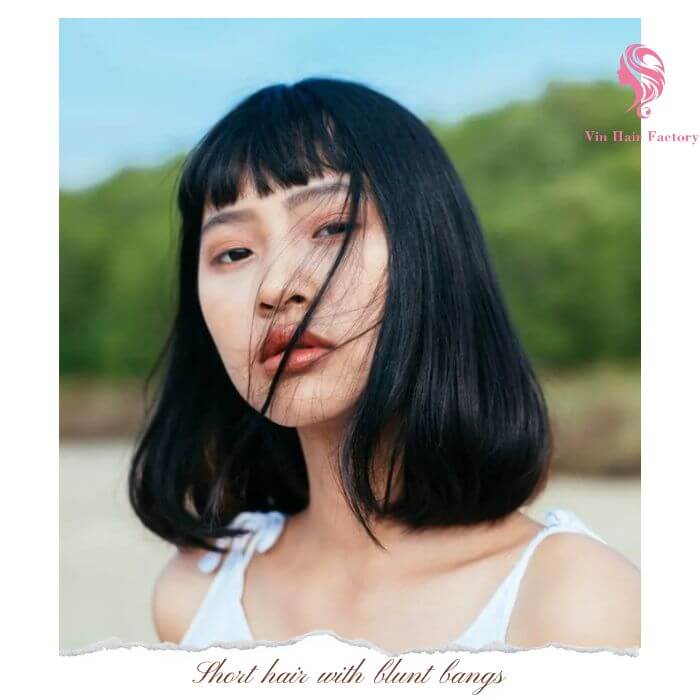
Table of Contents
Common types of Chinese-inspired haircuts
China Hairstyle #1. Chinese bob (Chinese-style bob)
This is a sleek, chin-length or jaw-length cut often seen in Chinese fashion and beauty trends.
Features:
- Straight or slightly curved ends
- Minimal layering
- Face-framing pieces
- Often paired with wispy bangs
It gives a neat, youthful appearance and works especially well with straight or fine hair.
China Hair Style #2. Hime cut (姫カット style)
The hime cut is a Japanese-origin style but is also popular among Chinese youth and East Asian beauty communities.
Features:
- Straight bangs across the forehead
- Short side locks cut around the cheeks
- Longer hair at the back
It creates a doll-like, structured appearance.
3. Chinese wolf cut
A softer version of the wolf cut trend.
Features:
- Layers around the crown
- More movement and volume
- Face-framing layers
- Less extreme than some Western wolf cuts
It is popular among younger women because it gives texture without looking too messy.
4. Butterfly cut (Chinese salon style)
This has become very popular across Chinese social media platforms.
Features:
- Shorter layers around the face
- Longer layers underneath
- A bouncy, blow-dried effect
- Similar to a modern layered salon cut
It is designed to create movement and make hair appear fuller.
5. Air bangs (空气刘海, kōngqì liúhǎi)
One of the most recognizable Chinese beauty trends.
Features:
- Very thin, wispy fringe
- Slight transparency
- Softly frames the forehead
Unlike thick blunt bangs, air bangs create a lighter, softer look. Fringe cuts are a common salon request in China. (Shanghai International Services)
6. C-cut or Korean-Chinese style layers
Often seen in East Asian salon trends.
Features:
- Ends curve inward like the letter “C”
- Face-framing layers
- Smooth, polished finish
It is especially popular for medium-length hair.
What makes Chinese cuts different?
Chinese-inspired cuts often emphasize:
- Face shape adjustment: layers are placed to soften the jaw, cheeks, or forehead.
- Natural volume: especially for straight, fine Asian hair types.
- Smooth texture: less focus on heavily tousled or razor-cut finishes.
- Soft femininity: many styles aim for a youthful, delicate appearance.
For people with thicker, curlier, or Afro-textured hair, these cuts usually need adaptation. The same shapes can work, but the layering, weight removal, and styling techniques need to be adjusted because Chinese salon cuts are generally designed around straighter hair textures.
When it comes to choosing a Chinese hair cut, you’re stepping into a world where rich cultural history meets modern fashion.
From traditional styles passed down through generations to contemporary salon trends shaping today’s streets, these haircuts offer something for everyone looking to make a statement or honor heritage.
Historical and Traditional Chinese Hairstyles
Historically, hair in China was deeply symbolic and often linked to culture, class or social role.

Photo Credits: Chinese Culture, Vin Hair
READ ALSO: How to Achieve a Beautiful Braid Hairstyle in 2025: Tips, Tricks, and Product Recommendations