When it comes to choosing a Chinese hair cut, you’re stepping into a world where rich cultural history meets modern fashion.
From traditional styles passed down through generations to contemporary salon trends shaping today’s streets, these haircuts offer something for everyone looking to make a statement or honor heritage.
Table of Contents
Historical and Traditional Chinese Hairstyles
Historically, hair in China was deeply symbolic and often linked to culture, class or social role.

- In ancient times, women often wore elaborate buns and updos, like high circular buns, double‑knife shaped buns, or styles like the Peacock Tail Bun and other chignons that were popular in the Tang and Sui dynasties. These were often decorated and worked into complex shapes.
- There were also iconic traditional male styles such as the queue during the Qing dynasty, where the front of the head was shaved and the remaining hair braided — for a long time this was required by law and carried strong political meaning.
- Other traditional headgear or hair arrangements like liangbatou were symbolic for women in certain historical periods and involved tall frames and decorations.
Traditional hairstyles were not just fashion.
They carried meaning about status, marital status, age or social roles, and were part of formal attire, especially during festivals or ceremonies.
Modern Chinese Hair Trends
In contemporary China, haircuts are influenced by global trends, pop culture, and individual expression.
Some styles that have been popular include:
Chinese Hairstyles Female
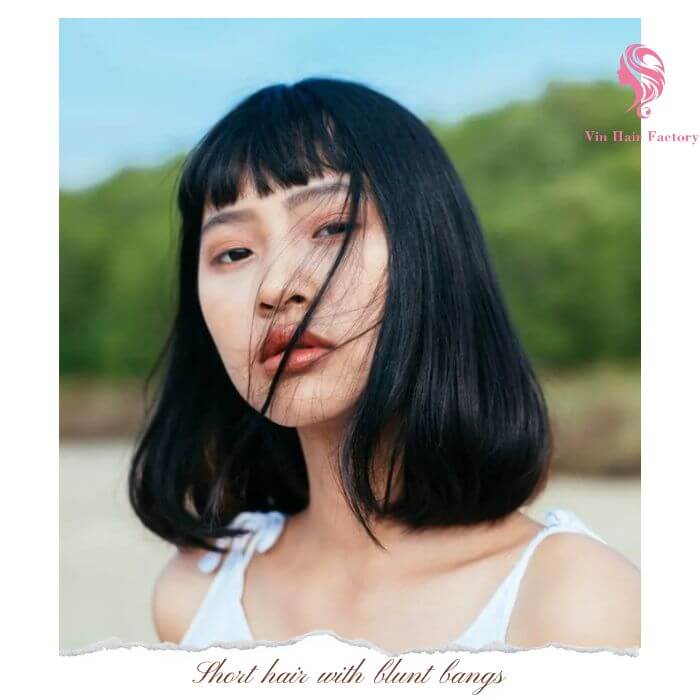
China Hairstyle #1: Blunt Bangs
Blunt bangs are a classic that remains popular, often paired with straight or slightly wavy hair.
Haircut by China #2: Short Bobs and Pixie Cuts
Short bobs and pixie cuts are common because they’re easy to maintain and can give a refined, modern look.
Chainese Cut #3: Half Top Knots
Half top knots (a small bun with the rest of the hair down) owe part of their popularity to the influence of period dramas and street fashion.
- Sleek ponytails and loose braids also appear often because they are simple but stylish.
Haircut Chinese People For Men
- Many young men favor textured crops where the hair on top is styled with texture and the sides are kept shorter.
- Slicked‑back undercuts and fade styles are also popular, reflecting broader urban and international influences.
- There’s also a trend among entertainers and youth toward slightly longer, tousled looks that echo a relaxed, “shaggy” aesthetic.
Some hair salons even create custom designs like shaved patterns or motifs, especially for children during events or celebrations.
Chaines Hair Cut Cultural and Social Notes
- Historically, cutting hair or keeping it long could be tied to cultural values like respect or obedience. For example, pre‑Qing society tended to keep hair long as a sign of filial piety, while the queue was imposed later for political reasons.
- Modern Chinese fashion blends global influences with local aesthetics, and many young people enjoy mixing traditional elements (like buns or hair accessories) with contemporary cuts or textures.
Chainese Haircut Summary
Chinese haircuts have evolved over centuries, from symbolic traditional styles with deep cultural meaning to a wide variety of modern cuts influenced by fashion, convenience, and personal expression.
Traditional updos and buns remain visible in cultural events and fashion circles, while everyday haircuts often mirror global trends seen in cities and media.
Chinese Braids
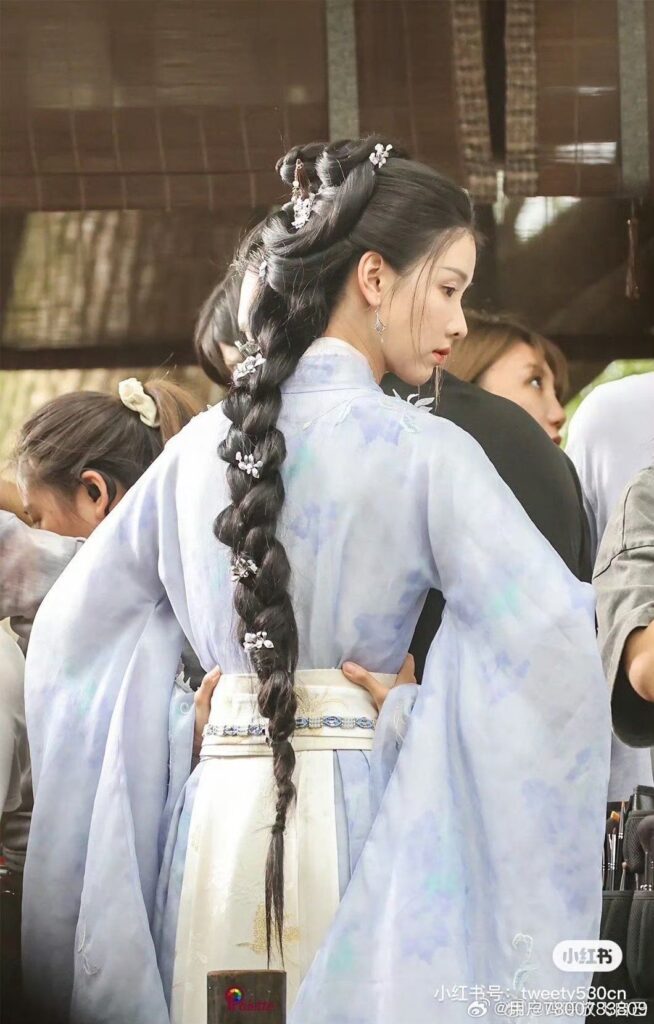
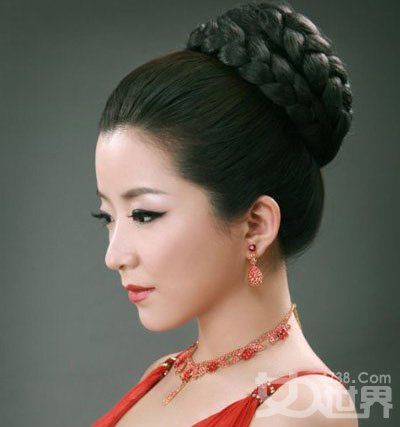
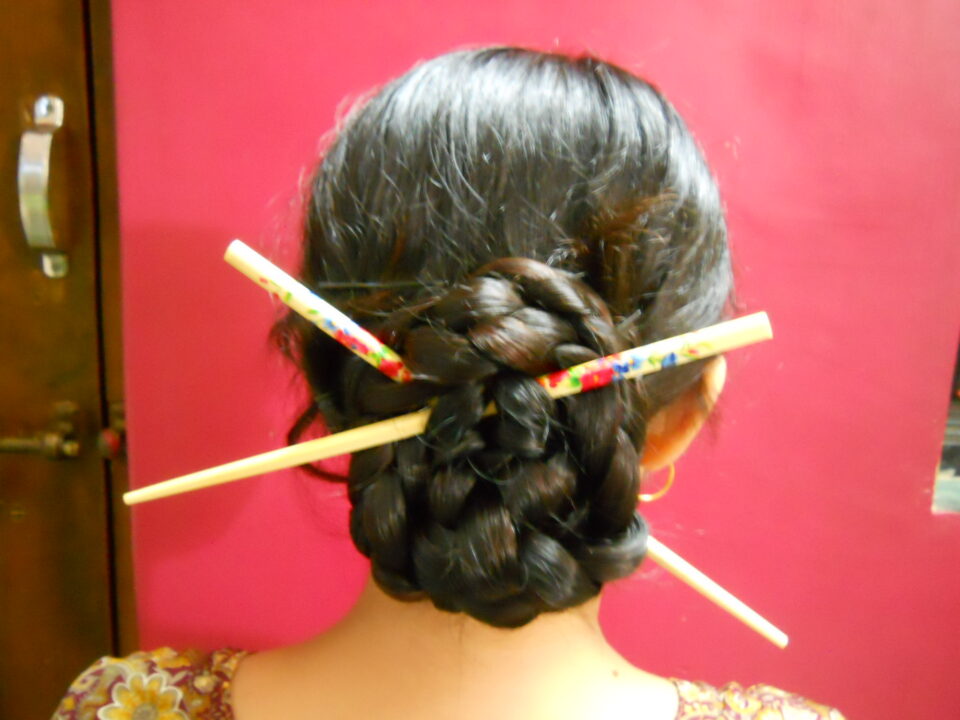
Photo Credits: Chinese Culture, Vin Hair, Sullia, History & Culture of Chinese Women’s Hair, AutodeskInstructables
READ ALSO: How to Achieve a Beautiful Braid Hairstyle in 2025: Tips, Tricks, and Product Recommendations