A great hairstyle doesn’t always require long hair, elaborate braids, or complicated styling. Sometimes, a short haircut with a well-defined pattern can make just as much of a statement.
The waves hair style is a perfect example, transforming naturally curly or coily hair into smooth, rippling patterns that wrap beautifully around the head.
From classic 360 waves to variations paired with fades, tapers, and sharp line-ups, there are plenty of ways to make this low-cut look your own.
But getting those crisp, flowing waves takes more than simply sitting in a barber’s chair. The right haircut, brushing technique, hair care routine, and consistency all play a role in creating a pattern that really stands out.
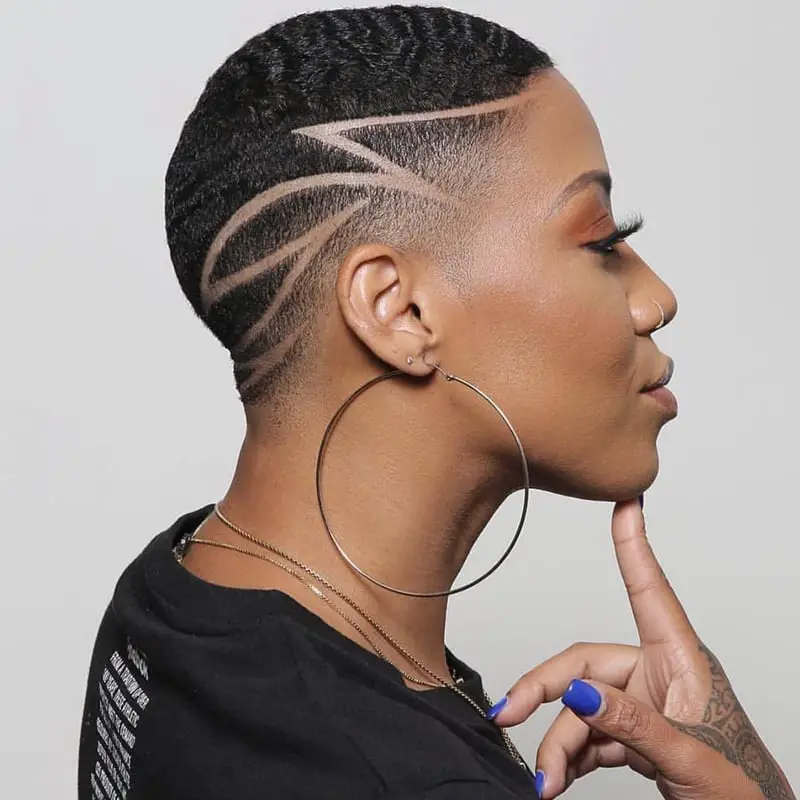
Table of Contents
Afro American Style: What Are Waves?
Waves are not simply a haircut where a barber cuts a pattern into the hair.
The haircut provides the foundation, but the visible wave pattern is developed by repeatedly brushing the hair in specific directions and keeping it compressed with a durag or wave cap. Moisturizing or wave products can also help the hair remain manageable while it is being trained.
The classic 360 wave pattern radiates outward from the crown, creating concentric-looking ripples across the top, sides and back of the head. Other patterns include 180 waves, which concentrate more on the top and sides, and 540 or 720 waves, which use different directional patterns.
The haircut matters
Waves generally start with relatively short hair. A barber will usually cut the hair to an even, controlled length and create a clean shape around the hairline, temples and neckline. The exact length depends on your curl pattern, how quickly your hair grows and how developed your waves are.
One important point is that getting a very low haircut does not automatically give you waves. If your hair is cut too short before your pattern is established, you may actually lose some of the progress you’ve made.
How do you get a Waves Hair Style?
The basic process involves:
- Start with a suitable short haircut.
- Brush consistently in the direction you want your waves to develop.
- Keep the hair moisturized so it remains soft and manageable.
- Use a wave cap or durag to compress the hair and help maintain the direction you’ve been brushing.
- Repeat the routine consistently.
Developing a pronounced pattern takes time. It isn’t something that normally appears after one brushing session. Your natural curl or coil pattern, hair length and consistency all influence how quickly your waves become visible.
What About 360 Waves on Natural Black Hair?
Waves are particularly associated with tightly curled and coily hair because the natural curl pattern can be trained into the characteristic ripples.
They have a long history within Black hair and barbering culture and have become a widely recognized hairstyle.
The look can be extremely simple when finished: a short haircut, a clean line-up and clearly defined waves.
But achieving that apparently effortless appearance requires considerably more maintenance than the finished hairstyle suggests.
Don’t Confuse a Waves Hair Style With Finger Waves
This is an important distinction.
360 waves are created by training short curly or coily hair into a repeating pattern through brushing and compression.
African American Style: Finger Waves

Finger waves, on the other hand, are a sculpted hairstyle in which damp hair is molded with fingers and a fine-tooth comb into distinctive S-shaped curves close to the scalp. Finger waves became especially famous during the 1920s and 1930s and have periodically returned to fashion.
African American Hair: Curly Crochet Hair
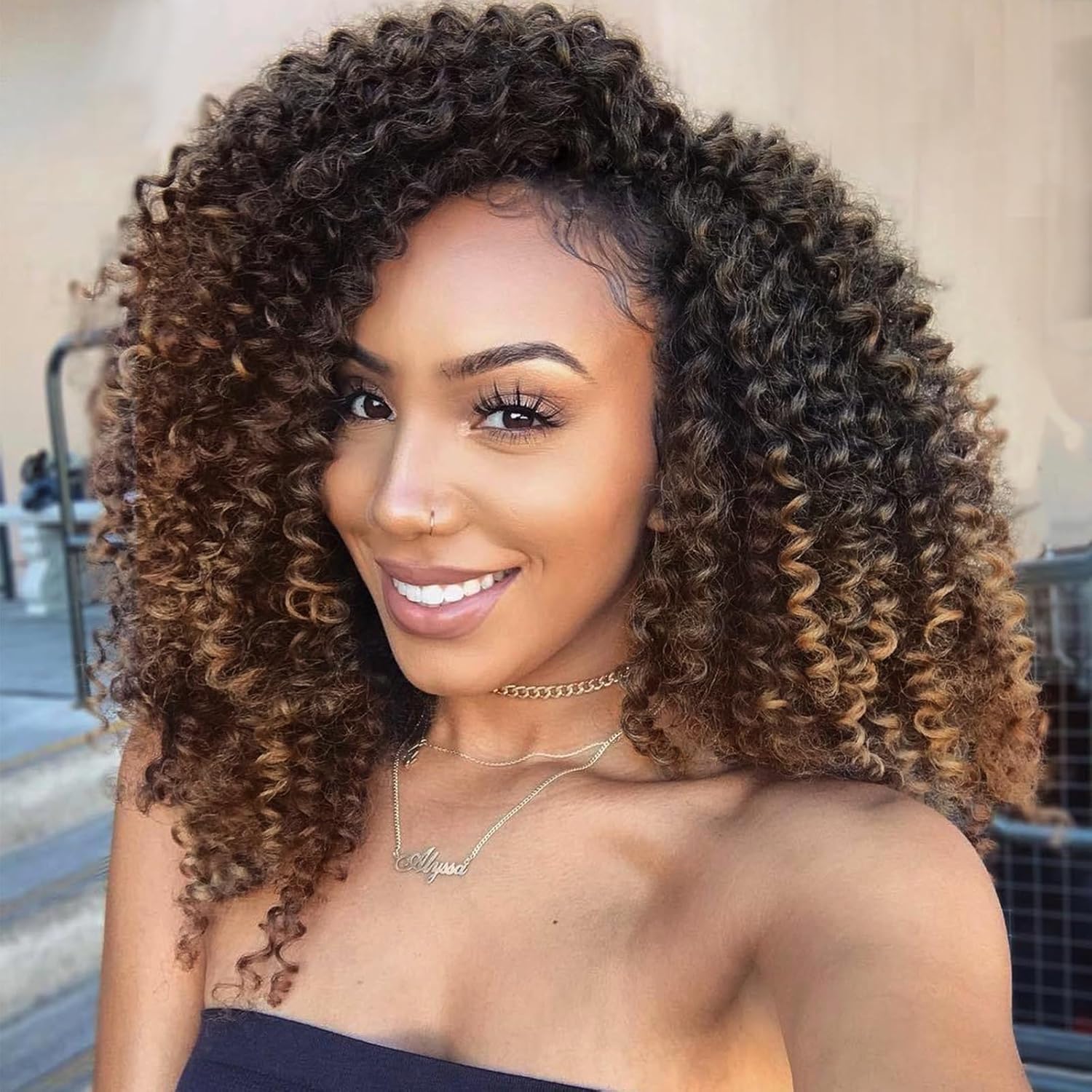
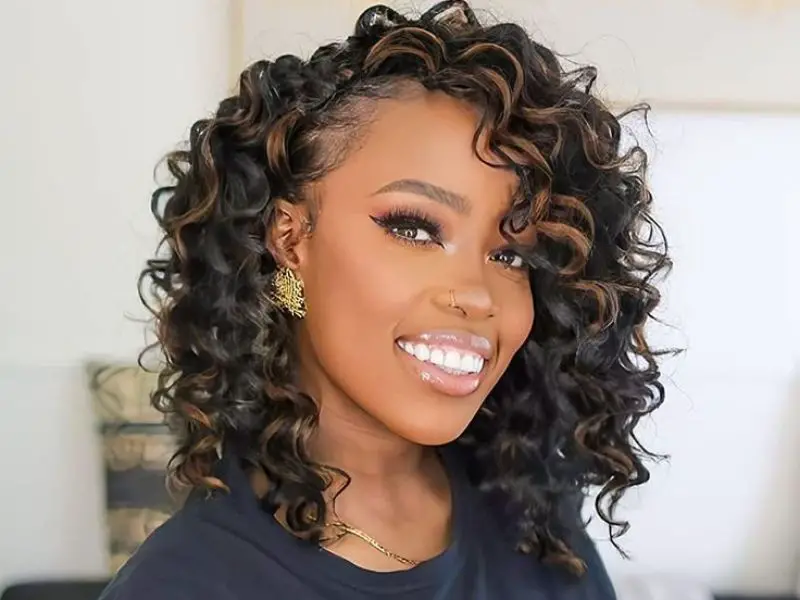
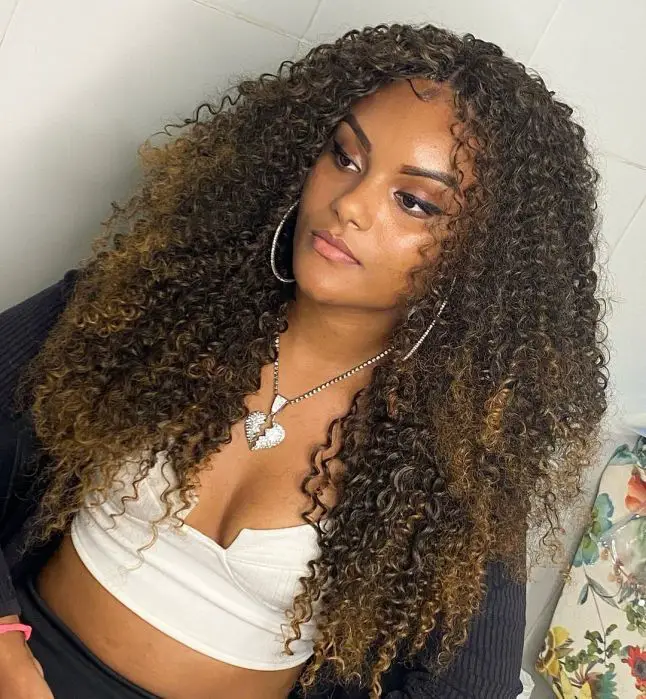
African American Styles: A Textured Afro
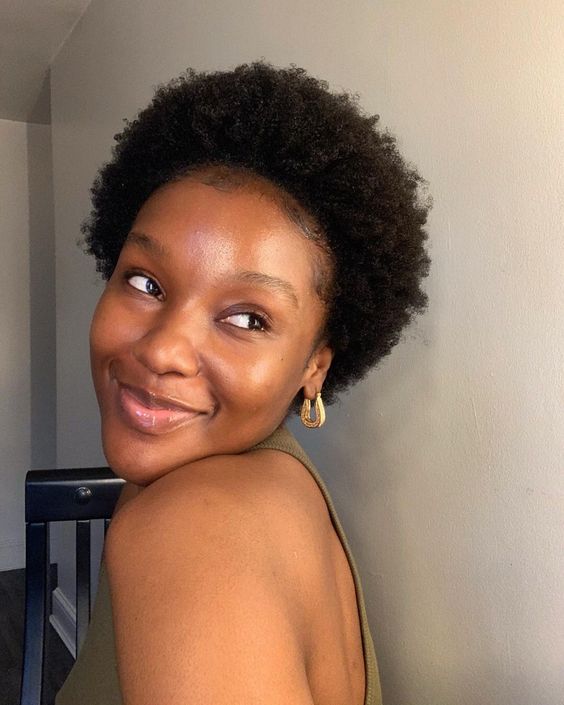
Photo Credits: Arraya Hope, Short Hair Styles, Amazon, Hair Adviser