Looking for the African soya tea recipe ingredients needed to prepare this flavourful African beverage at home? African soya tea is a nutritious, nutty drink made from roasted soya beans and can be enjoyed on its own or enriched with milk, ginger, cinnamon, cardamom, cloves and other spices.
Depending on personal taste and regional preferences, it can be prepared as a simple roasted-soya drink or transformed into a richer, spiced beverage.
Here is what you need to make it.
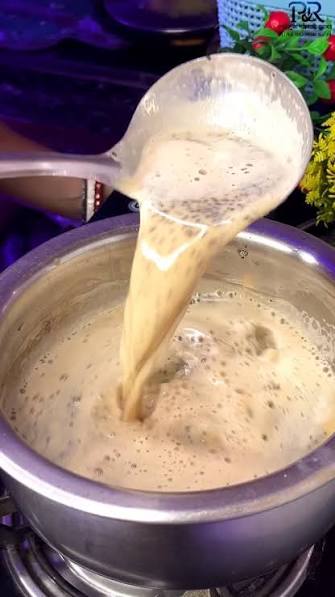
Table of Contents
1. African Soya Tea Recipe Ingredients
Here is a recipe for a flavourful African-style soya tea.
Ingredients (makes approximately 4 cups):
- ½ cup dried soya beans
- 2 tablespoons groundnuts (optional)
- 2 tea bags or 2 teaspoons loose black tea leaves (optional)
- 4 cups water
- ½–1 cup milk (optional)
- 1–2 tablespoons sugar or honey, to taste
- ½ teaspoon ground ginger or a small piece of fresh ginger
- ¼ teaspoon cinnamon powder
- 2 cardamom pods
- 2–3 cloves
The groundnuts and spices give the tea a richer, more complex flavour.
However, they are optional rather than essential ingredients.
2. How to Prepare African Soya Tea
Step 1: Roast the soya beans
- Sort the soya beans and remove stones or other unwanted material.
- Roast them in a dry frying pan over medium-low heat.
- Stir regularly until they become golden brown and develop a roasted aroma.
- Allow them to cool.
Step 2: Grind the ingredients
- Grind the roasted soya beans into a fine powder.
- If using groundnuts, roast and grind them separately.
- Sieve the powder to remove coarse particles.
Step 3: Prepare the tea
- Add the soya powder to a saucepan containing water.
- Add ginger, cinnamon, cardamom and cloves.
- Bring the mixture to a boil.
- Reduce the heat and simmer for approximately 10–15 minutes.
Step 4: Add the tea and milk
- Add the black tea leaves or tea bags if using them.
- Allow them to infuse for a few minutes.
- Add milk and sugar to taste.
- Stir thoroughly.
Step 5: Strain and serve
Strain the mixture through a fine sieve to remove the soya residue and spices.
Serve hot.
3. Ingredients for Simple African Soya Tea Without Ordinary Tea Leaves
You can also prepare soya tea without conventional tea leaves.
For this version, you only need:
- ½ cup dried soya beans
- 4 cups boiling water
- Sugar or honey (optional)
- Milk (optional)
Roast the soya beans until brown, allow them to cool and grind them into powder.
Add approximately 3 tablespoons of the powder to 2 cups of boiling water. Stir thoroughly and serve hot.
This preparation is consistent with a Tanzanian household soy beverage recipe, which uses roasted and ground soya beans with a little sugar.
4. What Does African Soya Tea Taste Like?
Soya tea has a distinctive roasted, nutty flavour. Depending on how darkly the beans are roasted, the drink can have a flavour somewhat reminiscent of coffee.
Adding ginger, cinnamon, cloves and cardamom gives it a spiced-tea flavour. Milk makes it creamier, while groundnuts add another layer of nuttiness.
5. Is African Soya Tea Caffeine-Free?
Soya beans do not naturally contain caffeine.
Therefore, soya tea prepared exclusively from roasted soya beans, water and spices is naturally caffeine-free.
However, adding ordinary black tea leaves or tea bags introduces caffeine.
Té de osang Guinia
El té de osang es una bebida tradicional asociada a Guinea Ecuatorial, donde las infusiones de plantas forman parte de las costumbres gastronómicas locales. Su nombre hace referencia a una preparación elaborada con osang, una planta utilizada tradicionalmente para preparar una bebida caliente.
A diferencia del té negro o verde, que proceden de la planta Camellia sinensis, el té de osang se considera una infusión de origen vegetal. Su preparación puede variar según las costumbres familiares y las preferencias de quien la consume. Se puede tomar caliente y, dependiendo de la receta, endulzarse con azúcar.
Esta bebida resulta especialmente interesante por su vinculación con la cultura gastronómica de Guinea Ecuatorial y por el uso tradicional de plantas locales en la preparación de infusiones.
1. ¿Qué es el té de osang?
El osang, también conocido como contriti, es una infusión tradicional de Guinea Ecuatorial. Se prepara principalmente con hojas de hierba limón (Cymbopogon citratus), una planta aromática conocida por su característico olor cítrico.
Aunque se conoce como té africano, no se elabora necesariamente con hojas de té convencionales.
Su ingrediente principal es la hierba limón, que se utiliza para preparar una bebida aromática que puede tomarse caliente.
En Guinea Ecuatorial, el osang ocupa un lugar entre las bebidas tradicionales del país, junto con otras preparaciones locales como la malamba, elaborada a partir de caña de azúcar, y el topé, una bebida obtenida de la savia de las palmeras.
2. ¿Cuáles son los ingredientes del té de osang?
La preparación básica del té de osang requiere pocos ingredientes.
Los principales son:
- Hierba limón (20 g): se utilizan hojas frescas de Cymbopogon citratus.
- Agua (1 litro): sirve como base para preparar la infusión.
También se puede añadir azúcar o miel para endulzar la bebida, aunque estos ingredientes no son imprescindibles.
Algunas preparaciones modernas incorporan jengibre, canela o limón para modificar su sabor.
3. Cómo preparar el té de osang
Preparar osang en casa es relativamente sencillo.
La receta tradicional se basa en extraer el aroma de las hojas de hierba limón mediante una infusión en agua caliente.
Ingredientes:
- 20 g de hierba limón fresca.
- 1 litro de agua.
- Azúcar o miel al gusto (opcional).
Preparación:
- Lava bien las hojas de hierba limón para retirar cualquier suciedad.
- Corta las hojas en trozos más pequeños y presiónalas ligeramente para liberar sus aromas.
- Hierve el agua en una olla.
- Apaga el fuego y añade las hojas de hierba limón.
- Tapa la olla y deja reposar la infusión durante aproximadamente 8–10 minutos.
- Cuela la bebida para retirar las hojas.
- Añade azúcar o miel si deseas endulzarla.
El té de osang se puede servir caliente o dejar enfriar para disfrutarlo como bebida fría. Recette traditionnelle Guinée équatoriale
4. ¿A qué sabe el té de osang?
El té de osang tiene un sabor suave, fresco y ligeramente cítrico. Su aroma recuerda al limón, aunque no se prepara necesariamente con frutos de limón.
La hierba limón aporta notas aromáticas que hacen que la bebida resulte agradable tanto caliente como fría.
Si se prepara sin azúcar, su sabor es principalmente herbal y cítrico. Añadir miel o azúcar proporciona un dulzor que equilibra sus notas vegetales.
5. ¿El té de osang contiene cafeína?
El té de osang preparado exclusivamente con hierba limón y agua no contiene cafeína de forma natural.
Esto se debe a que la hierba limón no es la planta del té convencional (Camellia sinensis), que es la fuente de cafeína presente en el té negro, verde y blanco.
Sin embargo, algunas recetas pueden incorporar hojas de té negro. En ese caso, la bebida sí contendrá cafeína.
6. ¿Cuáles son los posibles beneficios del té de osang?
La hierba limón se utiliza tradicionalmente en diferentes culturas africanas y asiáticas para preparar infusiones.
Entre las razones por las que algunas personas disfrutan de esta bebida se encuentran:
- Su aroma agradable: la hierba limón tiene un perfume cítrico característico.
- Su ausencia natural de cafeína: la infusión sencilla puede disfrutarse sin consumir cafeína.
- Su hidratación: al prepararse principalmente con agua, contribuye a la ingesta diaria de líquidos.
- Su versatilidad: puede tomarse caliente o fría y combinarse con diferentes ingredientes.
Aunque la hierba limón tiene una larga historia de utilización tradicional, no debe confundirse ese uso con beneficios medicinales demostrados en seres humanos. El té de osang tampoco debe considerarse un tratamiento para enfermedades.
7. ¿Es el té de osang lo mismo que el té de hierba limón?
En esencia, sí. El osang es el nombre utilizado en Guinea Ecuatorial para esta infusión tradicional de hierba limón, también conocida como contriti.
La planta utilizada es Cymbopogon citratus, conocida internacionalmente como lemongrass en inglés.
Conviene distinguirla de otras plantas llamadas citronela, especialmente Cymbopogon nardus, que no es exactamente la misma especie.
8. ¿Se puede preparar el té de osang con leche?
La preparación básica del osang no necesita leche. Se elabora con hierba limón y agua.
Sin embargo, existen recetas de té inspiradas en esta bebida que incorporan leche, azúcar, té negro y especias como canela y cardamomo.
Estas versiones ofrecen un resultado más parecido al té con leche africano que a la infusión sencilla tradicional de osang.
Por tanto, si deseas preparar una versión más cercana a la bebida vegetal tradicional de Guinea Ecuatorial, lo mejor es utilizar hierba limón fresca y agua, sin necesidad de añadir leche.
9. ¿Cómo se conoce el té de osang en otros idiomas?
| Idioma | Nombre |
|---|---|
| Español | Té de osang |
| Inglés | Osang tea |
| Francés | Thé d’osang |
| Nombre alternativo | Contriti |
| Nombre de la planta | Hierba limón |
| Nombre científico | Cymbopogon citratus |
En resumen: El té de osang es una infusión tradicional de Guinea Ecuatorial elaborada con hojas de hierba limón.
Su preparación sencilla, su aroma cítrico y la posibilidad de disfrutarlo caliente o frío lo convierten en una interesante bebida de la gastronomía ecuatoguineana.
African Country This Tea With Butter and Coconut Milk Recipe
Tea prepared with butter and coconut milk is an interesting variation on traditional milk tea. It combines the familiar flavour of brewed tea with the richness of butter and the creamy, slightly sweet taste of coconut milk.
However, there is an important distinction when discussing its African origins. Butter tea is traditionally associated with Tibet and the Himalayan region, rather than a particular African country.
In Africa, coconut milk and butter are used together in several traditional recipes, particularly in East African and Cape Malay cooking.
One interesting African connection is boeber, a traditional Cape Malay milk-based drink associated with South Africa. It contains butter and coconut milk, along with vermicelli, sago, cardamom and cinnamon. It is not technically a tea, but it is a useful comparison when exploring African drinks made with these ingredients.
1. African-Style Tea with Butter and Coconut Milk Ingredients
The following is an African-inspired recipe combining black tea, coconut milk, butter and familiar East African spices.
Ingredients (serves 2–3):
- 2 cups water
- 2 black tea bags or 2 teaspoons loose black tea
- ½ cup coconut milk
- 1 tablespoon butter
- 1–2 tablespoons sugar or honey, to taste
- ½ teaspoon freshly grated ginger
- 1 small cinnamon stick
- 2 cardamom pods
- 2 cloves
- A small pinch of salt (optional)
You can use fresh homemade coconut milk or commercially prepared coconut milk. Full-fat coconut milk produces a richer, creamier drink.
2. How to Prepare African Tea with Butter and Coconut Milk
Step 1: Boil the water and spices
Pour the water into a saucepan. Add the ginger, cinnamon, cardamom and cloves. Bring everything to a boil and allow the spices to simmer for approximately 5 minutes.
Step 2: Add the Black Tea
Add the tea bags or loose tea leaves.
Allow the tea to simmer for another 3–5 minutes, depending on how strong you like it.
Step 3: Add the Coconut Milk
Pour in the coconut milk and stir gently.
Allow the mixture to heat over low to medium heat. Avoid prolonged vigorous boiling, particularly if using a coconut milk product that tends to separate.
Step 4: Add the butter
Add the butter and stir until it melts completely into the tea.
Step 5: Sweeten the tea
Add sugar or honey according to your preference.
A small pinch of salt can also help balance the richness of the coconut milk and butter.
Step 6: Blend and Serve
For a smoother, creamier consistency, transfer the tea to a heat-safe blender and blend briefly.
Alternatively, whisk vigorously until the butter and coconut milk are incorporated.
Strain if necessary and serve hot.
3. What Does Tea with Butter and Coconut Milk Taste Like?
Tea with butter and coconut milk has a rich, creamy consistency that differs from ordinary black tea with dairy milk.
The butter gives the beverage a fuller mouthfeel, while coconut milk contributes a subtle tropical flavour.
Black tea provides its familiar earthy bitterness, and the spices introduce warmth and fragrance.
Depending on the amount of sugar added, the drink can be mildly sweet or quite rich.
4. Which African Country Is Associated with Tea Made with Butter and Coconut Milk?
There is no sufficiently established evidence to attribute this particular combination of black tea, butter and coconut milk to one specific African country as a traditional national recipe.
However, several African culinary traditions offer interesting connections:
- Tanzania: Coconut milk is widely used in coastal cooking, particularly in Zanzibar, where it features in numerous traditional dishes and beverages.
- Kenya: Milk tea is a familiar everyday beverage, and spiced variations are also enjoyed.
- South Africa: Cape Malay cuisine includes boeber, a rich, sweet drink prepared with butter and coconut milk.
It is worth distinguishing these traditions rather than presenting the butter-and-coconut-milk tea recipe as an established Tanzanian, Kenyan or South African specialty.
5. Is Tea with Butter and Coconut Milk Healthy?
The nutritional properties depend on the ingredients and quantities used.
- Black tea: Contains naturally occurring antioxidants and caffeine.
- Coconut milk: Provides fat and contributes to the drink’s creamy consistency.
- Butter: Adds fat and calories, making the beverage more energy-dense.
- Ginger: Adds flavour and contains naturally occurring plant compounds.
- Cinnamon and cardamom: Provide aromatic compounds and flavour.
Because both butter and full-fat coconut milk are relatively high in fat, this beverage can be considerably more calorie-dense than ordinary tea.
6. Can You Make Tea with Butter and Coconut Milk Without Dairy?
Yes.
Coconut milk is already a dairy-free ingredient, and you can replace ordinary butter with a plant-based butter alternative.
Alternatively, coconut oil can be used, although it will produce a slightly different flavour and texture.
This makes it possible to prepare a completely dairy-free version without sacrificing the creamy consistency.
7. African Tea with Butter and Coconut Milk vs Tibetan Butter Tea
An important comparison is Tibetan butter tea, traditionally known as po cha.
| Feature | African-inspired coconut tea | Tibetan butter tea |
|---|---|---|
| Tea base | Black tea | Traditionally compressed black tea |
| Fat | Butter | Traditionally yak butter |
| Milk | Coconut milk | Traditionally yak milk |
| Seasoning | Ginger, cinnamon, cardamom | Salt |
| Sweetener | Often sugar or honey | Traditionally unsweetened |
| Traditional association | No established country of origin for this combination | Tibet |
Tibetan butter tea is traditionally a savoury drink, often blended or churned to combine the tea, butter, milk and salt.
In conclusion, tea with butter and coconut milk can be prepared as a rich, spiced African-inspired beverage.
Its combination of black tea, coconut milk, butter and aromatic spices makes an interesting recipe, particularly for people who enjoy creamy East African-style tea. However, it should be described as an African-inspired variation rather than a traditional tea belonging to a specific African country.


At this point I would kill for a cup of tea of a 1to1 ratio, lemon grass/ginger or tea masala.As it happends I am in the office feeling completely unproductive and ofcourse craving for “chai”
Tante,
Hehehehe…I know what a tea craving is like especially when you know it’s almost impossible to get. I hope you got home and satisfied your craving.
But what am I saying?! You’ve just sent me an SMS telling me you are at Zone, where I am pretty sure you are not having tea! 🙂
More on text,
Biche
Thanks for your recipe, Biche! When in Rwanda our hosts served us Ginger Milk Tea every morning with breakfast and all through the day if we wanted it! Now that I want to add ginger to my daily diet, I remembered the milk tea and sought out just how to make it! Love it. Take care…Gail
It’s my pleasure, Gail. Welcome to ChickAboutTown! 🙂
My daughter is a missionary in Uganda. She was married last summer to a wonderful Ugandan named Steven. While there we were introduced to African tea. I have always been a fan of milk and tea, the two together with Masala was awesome. I have not tried fresh ginger tea but to be honest I am not a morning person and like the simple powder. Getting Masala on Amazon is possible but I decided to try making it myself. All I was missing was cardamom and used all spice instead, not as good but I might order some soon and try it to see the difference. The overall balance I use is, 2 ginger, ½ cinnamon, ¼ black pepper, ¼ all spice, ¼ cloves, ¼ nutmeg. The cinnamon is a bit heavier but I like it that way. I make it with loose leaf Barry’s Gold Blend Tea because bags are just not strong enough. A stainless steel double wall french press makes it simple and keeps it hot, then steep for five minutes or longer. I drink it with 1/4 to 1/3 milk, yes 1 to 1 is better but as you said calories to taste is a concern and I drink it all day. Thank you for your article and giving me a place to share.
Hi Joel,
Welcome to Chick About Town! Thank you for leaving me a comment. I can tell from they way you write that you are a true African tea fan. Thanks for sharing the exact method you use to make your African tea. I have to try your masala spice mixture. Sounds like it should do the trick. I’ll have to stick to cardamom instead of allspice though because allspice is virtually impossible to get in Uganda. I’ll keep you posted! 🙂
Biche
Biche!!!!! i have been making my African tea all wrong it seems. I am going to try steeping the tea leaves in the boiled milky water and see if I can tell the difference between boiled tea leaves and steeped tea leaves. Thanks this was a fun article to read!!!!!!
Hahaha Ju,
You the mistress of African tea making tea wrong…how?! I am glad you enjoyed this post. Try steeping your tea leaves instead of boiling them and be sure to come back and tell me what you thought. I can’t wait!
B.