Dress Code in Swahili
Dress code in Swahili is kanuni ya mavazi.
If there is more than one rule or regulation governing how one dresses, or you are talking about more than one dress code, this phrase can be made plural and then becomes kanuni za mavazi.
The Swahili word kanuni translates to ‘rule, regulation, doctrine, or norm’.
READ ALSO: Accurate Semi Formal for Ladies 2025
Table of Contents
Dressing in Swahili
In Swahili, the concept of dressing is usually expressed through words such as kuvaa (to wear or dress oneself), mavazi (clothing or attire), and nguo (clothes).
Clothing is an important part of Swahili culture, reflecting personal style, social customs, religion, and special occasions.
Everyday dressing in Swahili-speaking regions of East Africa ranges from modern Western-style clothing to traditional garments.
Common clothing items include:
- Shati – shirt
- Suruali – trousers or pants
- Gauni or rinda – dress
- Sketi – skirt
- Koti – coat or jacket
- Kofia – hat
- Kiatu (plural: viatu) – shoe
- Soksi – socks
- Kaptula – shorts
- Fulana or T-shati – T-shirt
A few useful phrases related to dressing include:
- Nimevaa shati jeupe. – I am wearing a white shirt.
- Umevaa nguo gani? – What clothes are you wearing?
- Ninapenda kuvaa mavazi ya kawaida. – I like to wear casual clothes.
- Amevaa vizuri. – He or she is dressed well.
Traditional Swahili dress is especially notable along the East African coast.
Women may wear kanga, a colorful rectangular cotton cloth often printed with Swahili sayings, or kitenge, a brightly patterned fabric used for dresses, skirts, and matching outfits.
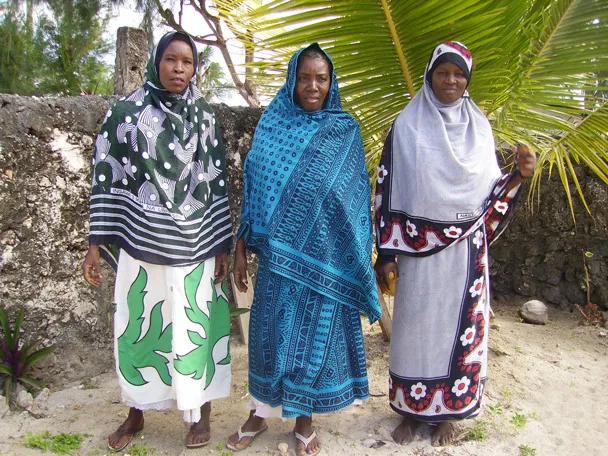
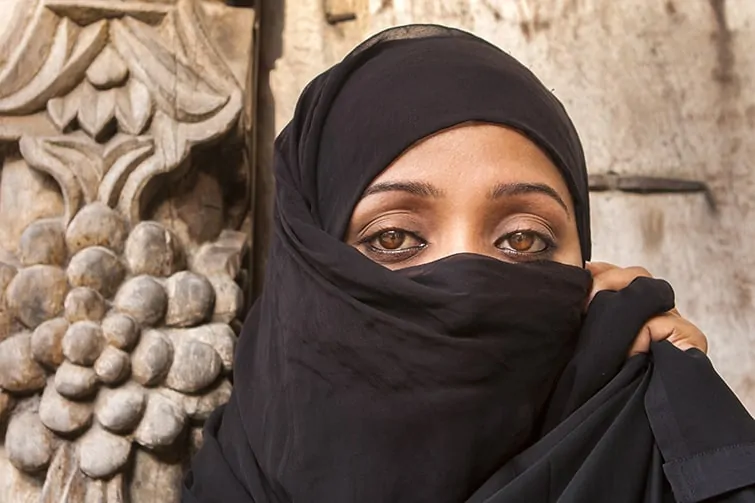
In Zanzibar, women may also wear the flowing gowni, while Muslim women often wear garments such as the buibui, a loose black outer robe.
For men, traditional attire may include the kanzu, a long robe commonly worn for religious ceremonies, weddings, and formal events throughout much of East Africa. In everyday life, however, many people wear shirts, trousers, jeans, and other modern clothing styles.
Dressing well is often associated with respect, especially when attending weddings, religious gatherings, introductions, funerals, and family celebrations.
The Swahili saying “Mavazi humfanya mtu” roughly corresponds to the English idea that clothing helps shape first impressions.
While personal style varies widely, neatness and appropriateness for the occasion are generally valued.
Today, fashion in Swahili-speaking communities blends local traditions with global influences.
It is common to see people pairing a kitenge skirt with a modern blouse, wearing a kanga as a shawl, or combining traditional garments with contemporary accessories, creating a style that is both culturally rooted and constantly evolving.
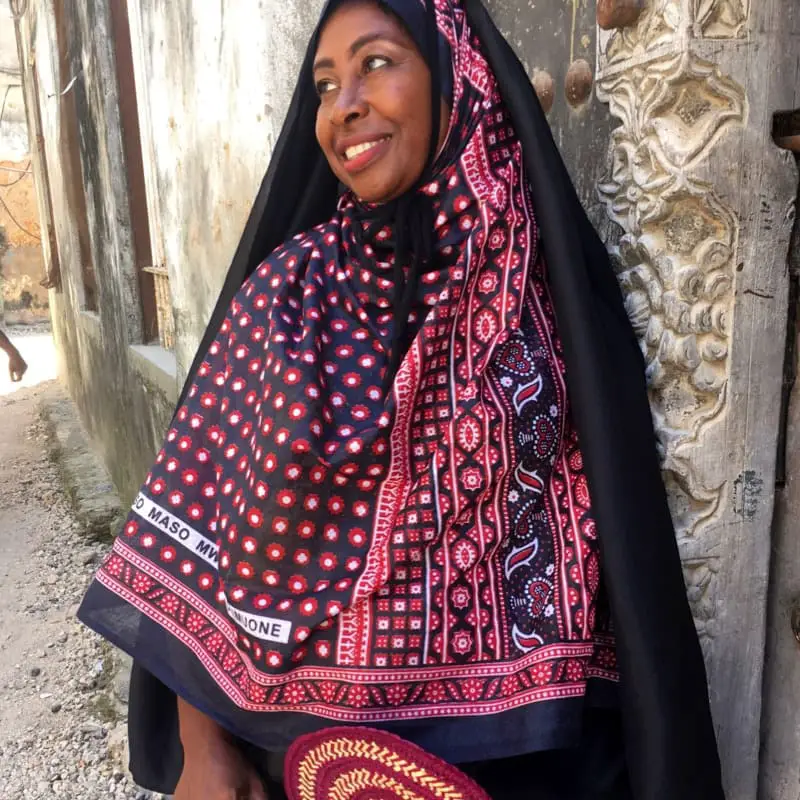
Attire in Swahili
The Swahili word for attire is mavazi, i.e., the way someone is dressed.
READ ALSO: Accurately, Jumamosi in English Today in 2026 & More
Swahili Equipment for Men
In a Swahili cultural context, “equipment for men” generally refers to the traditional garments and accessories that complete a man’s attire.
Along the East African coast, particularly in Tanzania, Kenya, and Zanzibar, men’s dress reflects a blend of African, Arab, Persian, and Indian influences.
One of the most recognizable items is the kanzu, a long robe usually worn in white or cream.
It is considered formal attire and is commonly worn for weddings, religious celebrations, Friday prayers, and other important occasions. The kanzu is often decorated with embroidery around the collar and chest area.
A kanzu is frequently paired with a kofia, an embroidered cylindrical cap. The kofia is one of the most distinctive elements of Swahili men’s dress and is worn both casually and formally. Skilled artisans may spend weeks or even months creating intricate embroidered designs on these caps.
Another important item is the kikoi, a rectangular woven cotton cloth wrapped around the waist.
It can be worn on its own at home, paired with a shirt, or worn beneath a kanzu.
Different styles and weaving traditions exist along the Swahili coast.
For special occasions, men may add:
- A joho, a flowing outer cloak worn over the kanzu.
- A kilemba, or turban.
- A waistcoat or tailored jacket.
- Leather sandals.
- Ceremonial accessories for weddings and festivals.
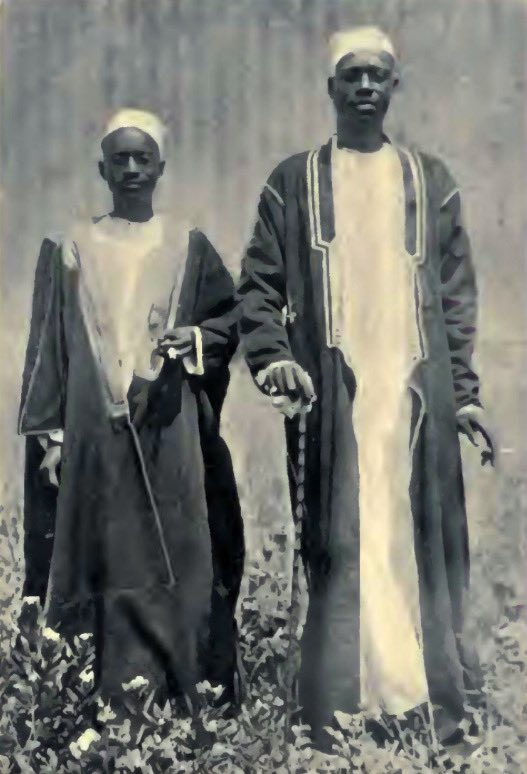
The complete formal Swahili look often consists of a crisp kanzu, an embroidered kofia, a joho or jacket, and sandals. This style is especially common at weddings, Eid celebrations, family gatherings, and cultural events.
Today, many Swahili men mix traditional and modern fashion. It is common to see a kofia worn with a shirt and trousers, or a kanzu paired with a modern blazer. This combination allows people to maintain cultural identity while adapting to contemporary styles.
In Swahili culture, these garments and accessories are more than clothing. They communicate respect, community identity, religious heritage, and pride in coastal East African traditions.
Outfit in Swahili/Outfits in Swahili
An ‘outfit’ is not a concept that I have ever encountered in Swahili.
To speak of an outfit, you speak of mavazi, attire, and then maybe specify more about what special attire is being referred to.
READ ALSO: 6 Popular Type of Clothing Styles
Dress Kwa Kiswahili

Dress in Kiswahili is called nguo. Nguo can sometimes be a generic term for clothing/attire, though, so context is important.
If you would like to speak specifically of a long dress that is a bit dress-up, then the word to use is gauni (from the English word ‘gown’).
READ ALSO: Fashion in Swahili
Clothes in Swahili
Clothes in Swahili is simply mavazi or nguo.
READ ALSO: Memorable Tatyana Ali 90s Shine
Photo Credits: Maison Udjuwa, U-Modo, Yoair Blog, Fumba Town Zanzibar, RobinBatista.com, Anka