The sumo wrestler top knot has long been a symbol of tradition, culture, and rank in Japan. Worn by sumo wrestlers for centuries, this distinctive hairstyle reflects the discipline, heritage, and history that define the sport.
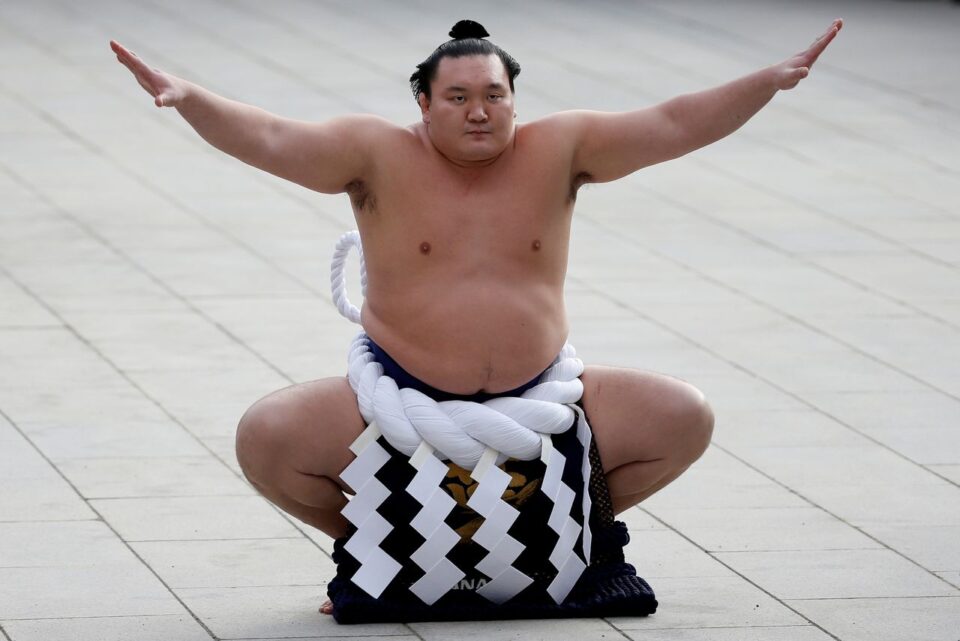
Table of Contents
What the Sumo Wrestler Top Knot Is
In sumo, the classic topknot is called a chonmage.
This style goes back centuries to Japan’s samurai era, when long hair was gathered and tied on top of the head and sometimes a shaved crown helped keep helmets in place.

In sumo, wrestlers grow their hair long and it’s tied into this form as part of their identity as rikishi (sumo wrestlers).
Different Styles and Their Meanings
Not all topknots look the same. There are two main forms:
- Chonmage: This is the basic sumo topknot worn by all professional wrestlers once their hair is long enough. It’s neat, folded, and sits on the crown of the head.
- Ōichō-mage: Wrestlers in the higher professional ranks (called sekitori) wear an elaborate version where the end of the topknot is shaped outward, resembling a ginkgo leaf. This fan‑like style is highly visible and seen during official tournaments and ceremonies.
The more elaborate topknot isn’t just decorative.
It is a mark of status — only wrestlers in the salaried divisions get to wear it, and it’s crafted carefully by specialists called tokoyama, who train for years to master this traditional art.
Maintenance and Ritual
Topknots are neat, oiled, and maintained regularly. Sumo wrestlers rely on trained hairdressers within their stables to style and care for the knots.
When a wrestler retires, there’s a meaningful ceremony where his topknot is cut off — a symbolic transition from active life in sumo to whatever comes next.
Cultural Significance
The topknot isn’t just a hairstyle. It’s a living link to Japan’s past, especially the samurai period.
Even though ordinary people long ago stopped wearing this style, sumo continues to preserve it as part of the sport’s heritage.
In sumo, the topknot reflects discipline, tradition, rank, and respect for history, and it’s one of the most recognizable symbols of the sport.
Cut Hair Samurai Dishonor

In samurai culture, a warrior’s hair wasn’t just a fashion choice — it was a deep marker of identity, status, and honor.
Samurai wore a distinctive hairstyle called the chonmage, which involved shaving the front/top of the head while growing the remaining hair long and tying it into a topknot. This style began for practical reasons (helping secure helmets in battle), but over the centuries it became an emblem of one’s place in the elite warrior class and a visible sign of commitment to the samurai way of life.
Because the topknot was so strongly tied to honor and rank, having it removed involuntarily was a serious dishonor. In the worldview of traditional samurai society, losing the topknot meant losing one’s identity as a warrior. It was more than just a loss of hair — it symbolized the loss of status, dignity, and the privileges that came with being a samurai. Historical accounts describe situations where defeated or disgraced samurai were compelled to have their topknots cut as a way of publicly showing that they had been stripped of their honor and position.
In some extreme cases, a samurai might cut his own topknot voluntarily as part of a major life transition — such as retiring from warrior life, renouncing his ties to his lord, or preparing for seppuku (the ritual form of suicide traditionally associated with restoring honor).
But when someone else cut a samurai’s hair without permission, it was seen as degrading and humiliating — the act reduced the warrior to a status outside the elite class and publicly signaled that he had failed in some fundamental duty.
So in traditional Japanese thought, samurai dishonor and cut hair were linked because the hairstyle itself carried so much symbolic weight.
To sever it by force or as punishment was to sever one’s identity, calling into question their loyalty, discipline, and place in society.
‘Which Island Tribe Wear Hair Tied in a Topknot on Yop Lf Hdad ?
There are several island and tribal cultures where people traditionally wore their hair tied in a topknot on the top of the head, and in many cases it had cultural meaning tied to status, identity, or spiritual beliefs:
1. Rapa Nui (Easter Island) — Polynesian Islanders
Easter Island (called Rapa Nui), ancient islanders traditionally wore their hair long and tied up in a high bun or topknot.
Men sometimes gathered their long hair into a bun on the top of the head, and women often wore a topknot as well.
Observers noted that red pigment was sometimes used on the hair and that long hair carried cultural strength and identity.
2. Māori (New Zealand)
Among the Māori of Aotearoa (New Zealand), topknots — often called tikitiki — were historically worn by men of high status. These topknots sat high on the head and could be decorated with feathers or other ornaments to show rank, tribal affiliation, or mana (spiritual power).
3. Pacific Island Polynesian Cultures
In broader parts of Polynesia (including islands like Samoa, Tonga, and others in the Pacific), traditional hairstyles sometimes included high buns or topknots for both practical reasons (keeping long hair out of the way) and social meaning, especially for warriors or high-ranking members of the community.
European visitors historically described some of these styles before colonial influence changed hair traditions.
4. Some Indigenous North American Groups
Though not an island culture, it’s worth noting that certain indigenous tribes along the Northwest Coast of North America sometimes had men with topknots on top of their heads, according to historical accounts of traditional hairstyles in those regions.
In many of these societies, hair wasn’t just about style — it could signal adulthood, social position, tribal role, readiness for marriage, spiritual beliefs, or strength.
Different groups had their own names for the styles and tied the hair with shells, feathers, or woven bands to reflect cultural meanings unique to their traditions.
Japanese Top Knot

The Japanese Top Knot, or Chonmage (丁髷), is a traditional Japanese hairstyle historically worn by samurai and sumo wrestlers.
It involves gathering the hair into a ponytail, folding it forward onto the top of the head, and securing it with a strip of cloth.
Historical Significance of the Top Knot Samurai
- Samurai Era: The top knot was a symbol of social status and loyalty among samurai. Shaving the top of the head and styling the remaining hair into a top knot allowed helmets to fit more comfortably.
- Edo Period (1603–1868): It became widespread among commoners, though variations in style indicated class and profession.
Modern Adaptation of Samurai Style Hair
- Sumo Wrestling: Sumo wrestlers maintain the chonmage, with elite wrestlers wearing a more elaborate version called oicho-mage, resembling a ginkgo leaf.
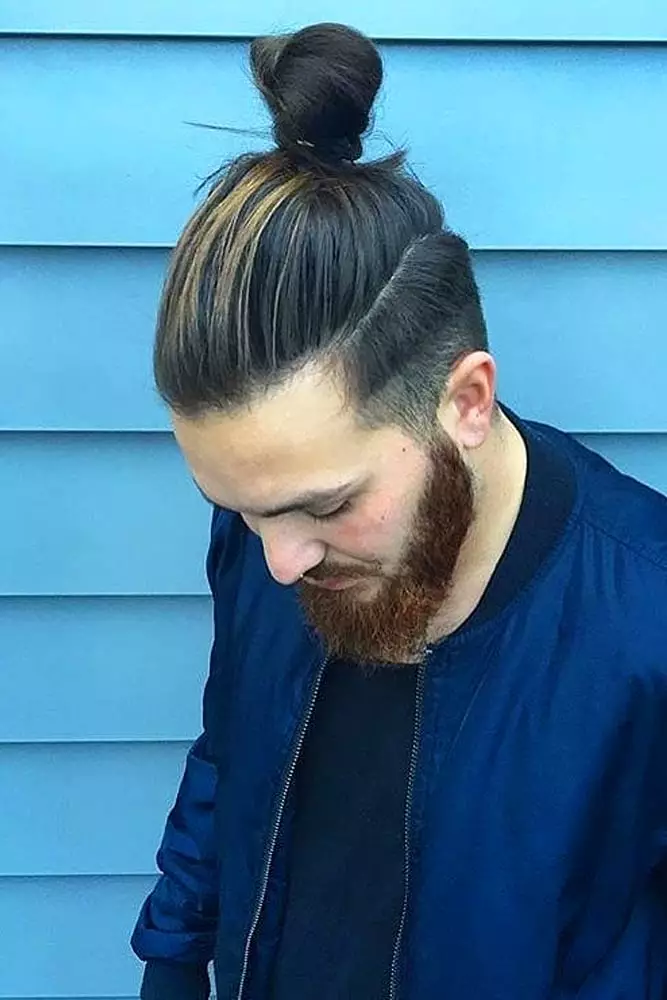
- Contemporary Fashion: The modern man bun draws inspiration from the Japanese top knot, though it lacks the shaved crown and cultural symbolism.
Symbolism:
The top knot historically represented honor, discipline, and social hierarchy. Cutting off a samurai’s top knot was a severe dishonor.
Today, the Japanese top knot influences global fashion while preserving its cultural roots in martial arts and sumo traditions.
What Is the Afro Samurai’s Hairstyle Called?
The hairstyle most associated with the character Afro Samurai is simply called an afro — a full, rounded natural hairstyle where the hair is combed out and shaped so it stands away from the scalp in a distinctive volume.
In the Afro Samurai series, the protagonist Afro wears his hair in a large, unrestrained afro that’s one of his most iconic visual traits alongside his headband and sword. The design emphasizes the texture and shape of his hair rather than tying it up or styling it in any other specific way.
This style isn’t given a special name within the story beyond being his afro, and it’s used in the character’s visual identity to blend the traditional samurai aesthetic with elements of African‑diaspora hair culture.
Samurai Hairstyles: Samurai Top Knot/ Top Knot Japan/Japanese Top Knot
The hairstyles of the Samurai varied greatly, but the most popular one was the topknot, which was a simple yet elegant style tied at the crown of the head.
The topknot was considered the quintessential samurai hairstyle and was worn by both men and women.
The length of the topknot could vary, but it was typically tied in a bun that was tucked under a silk scarf or cloth, called a tenugui.
The topknot was not only a symbol of the samurai’s status, but it also served practical purposes.
Samurai warriors were known for their skill in hand-to-hand combat, and their long hair was often tied up to prevent it from getting in the way during battles.
Furthermore, the topknot helped to keep the samurai’s head covered from the sun and protected from the rain.
In the 19th century, Japan underwent significant changes as it opened its doors to the West and modernized its military.
The samurai class was abolished, and the samurai hairstyle lost much of its significance.
However, the topknot continued to be worn by Japanese men and women, especially those involved in martial arts.
The Samurai haircut is a unique and recognizable hairstyle that has been associated with the samurai warriors of feudal Japan for centuries.
The hairstyle was not only a reflection of the samurai culture but also a symbol of their status and occupation.
In this blog post, I will explore the history and evolution of samurai hair, its significance, and its continued influence on modern culture.
READ ALSO: Soharten Style & More on Asian Hairstyles
The samurai were a military class of warriors who rose to power in feudal Japan during the 12th century.
They were known for their strict code of conduct, martial skills, and bravery.
READ ALSO: Popular Bun Man 2025
Soharten Style Hair
If you would like to know more about Soharten style hair, click here.
Photo Credits: World of Samurai, Ikidane Nippon, Toshidama Japanese Prints